FREE GUIDE + VIDEO TRAINING
A World Champion’s 5 Fixes for Better Pizza Dough
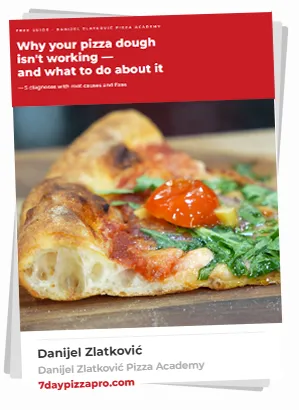
Five reasons home pizza turns out average and the fix for each one. Plus a free video training: direct dough, Poolish, and Biga - three ways to make pizza dough, and how each one changes the result.
Free. No spam. Unsubscribe any time.
Want to skip ahead?
From average to outstanding pizza in three days, with a world champion’s Metodo Vivo.
The Living Dough Method: learn to control your dough with the equipment and conditions you already have.
Become a Pizza Pro in 7 Days is for anyone who wants to make pro-level pizza without wasting months or years figuring it out on their own. Made for home cooks and pros - this course breaks down dough science into clear, actionable steps for consistent dough results.
Start Making Pro Pizza
Right now, you can get lifetime access and personal support for a one-time payment of just $97
Try the Full Course Risk-Free for 30 Days
Watch every lesson. Make the dough. Bake the pizzas. If Metodo Vivo doesn't completely change how you understand dough, email us within 30 days and we'll refund every cent - no questions, no forms, no hard feelings.
You either become a pizza pro, or it's free.
Join The Thousands Who Use Neapolitan Pizza Pro
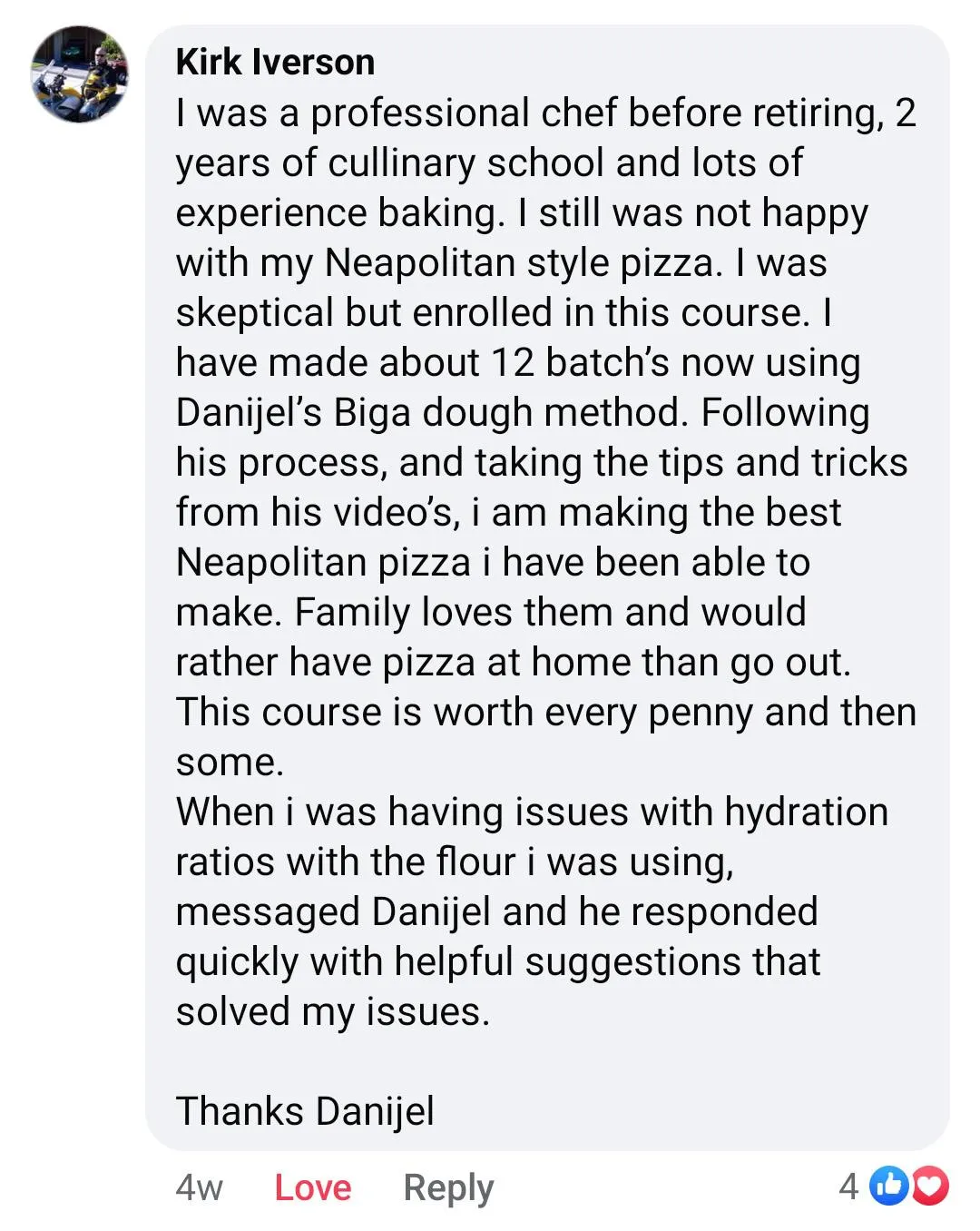
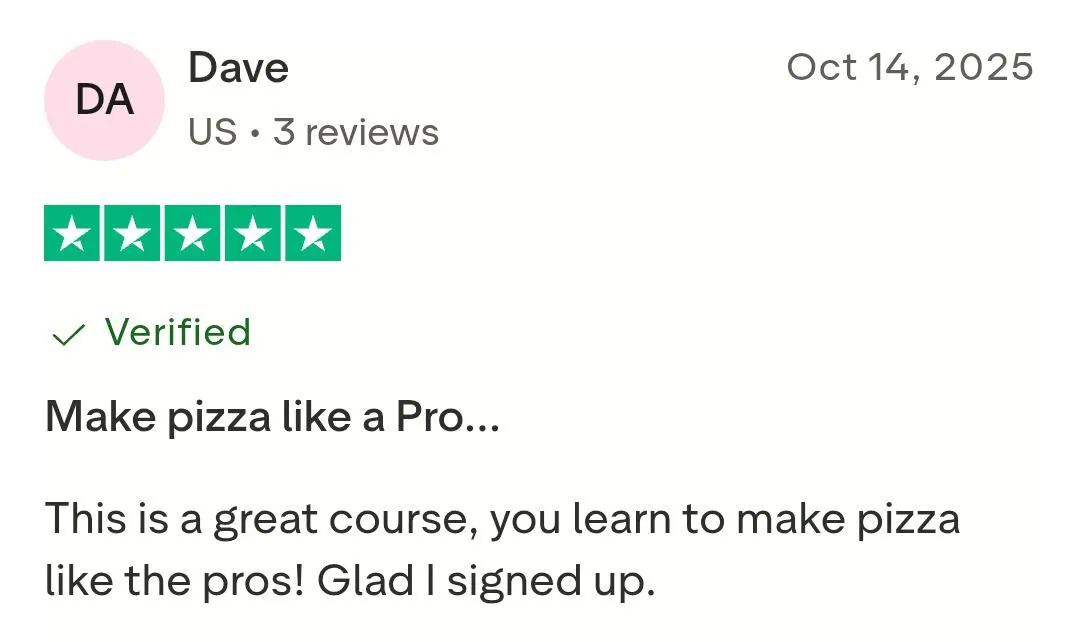
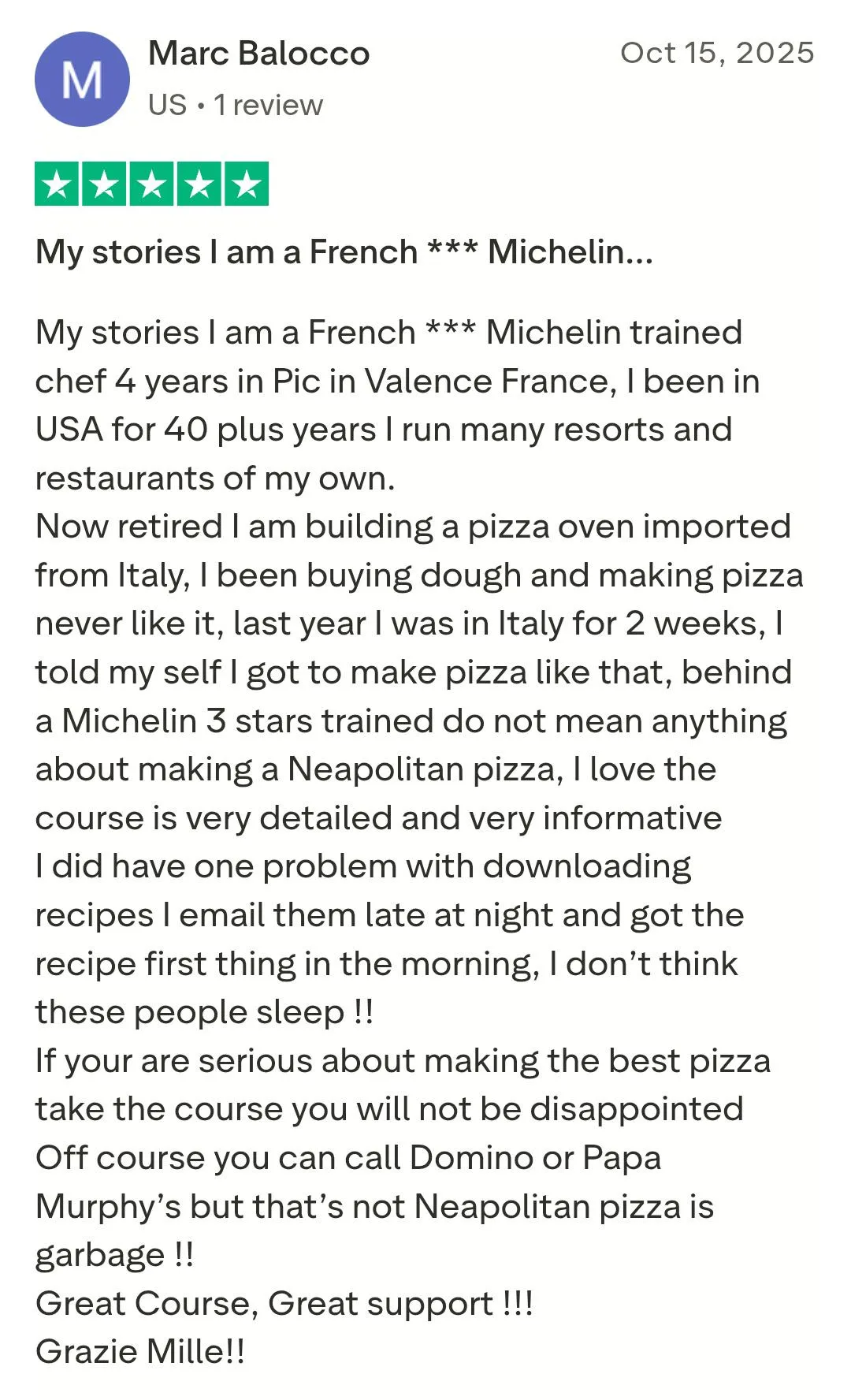
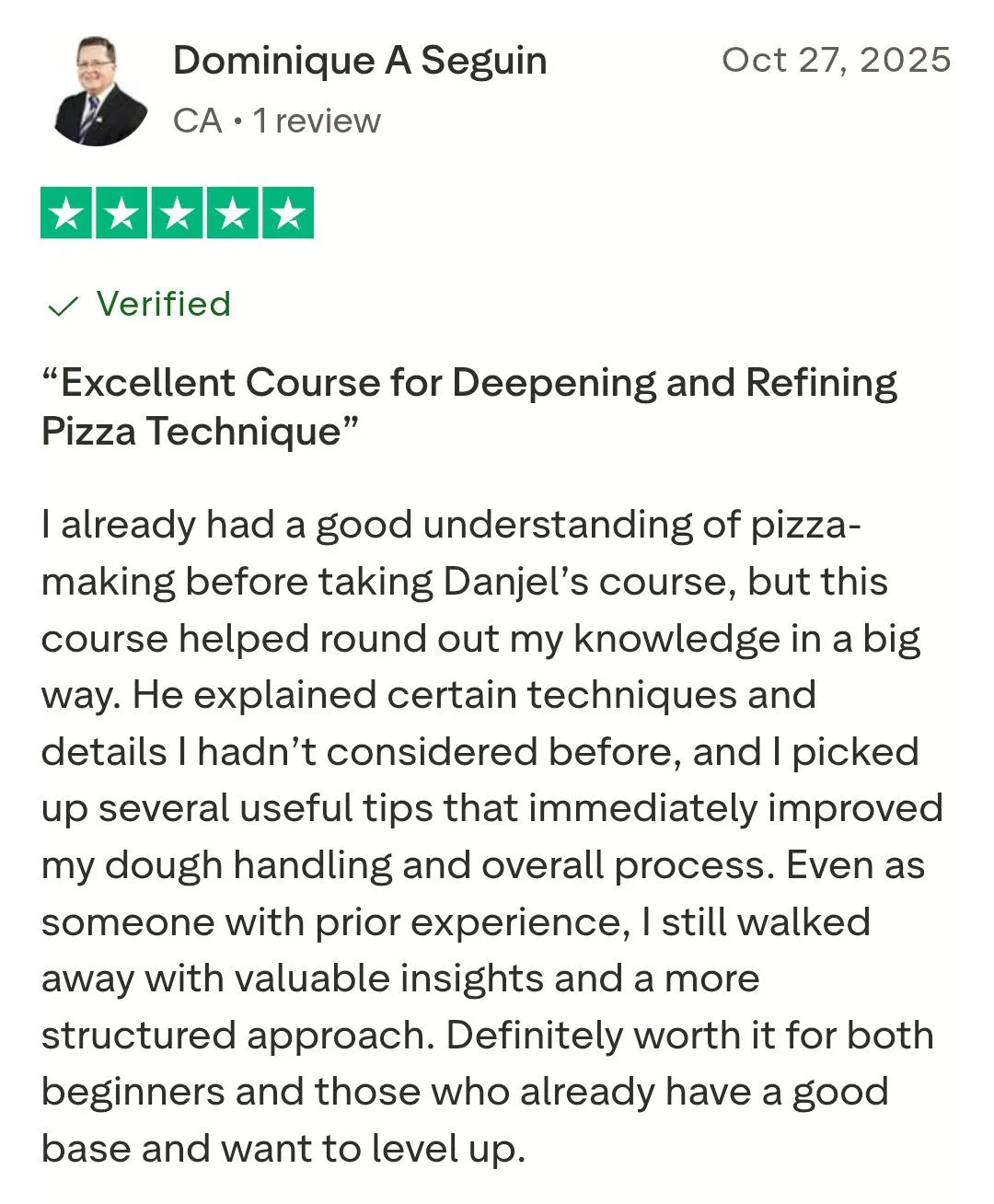
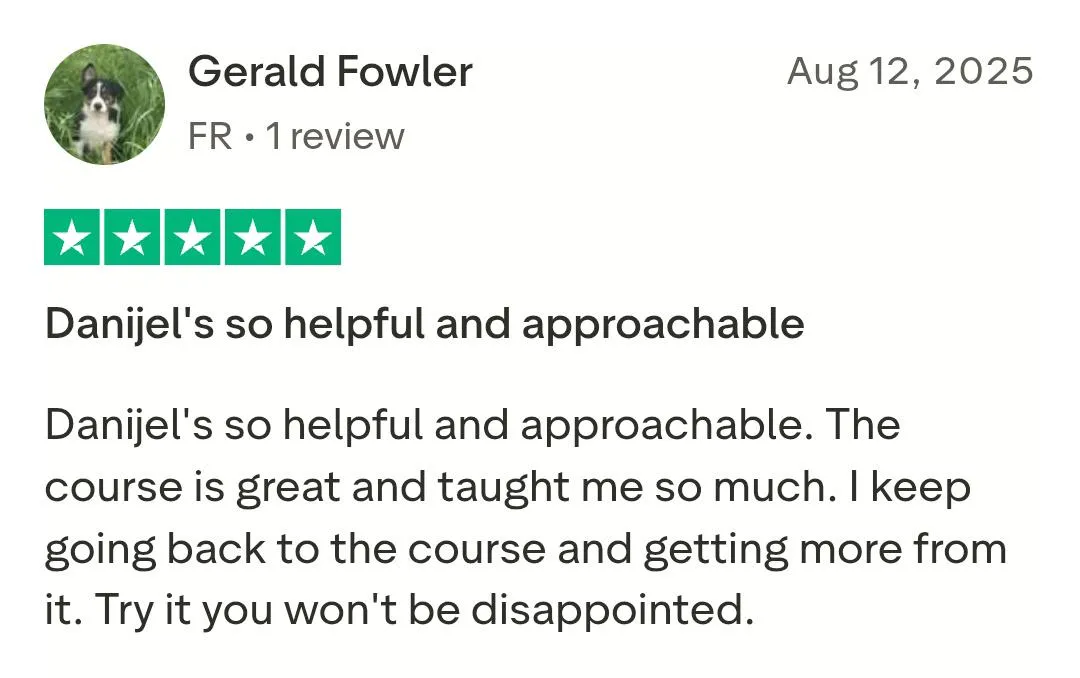

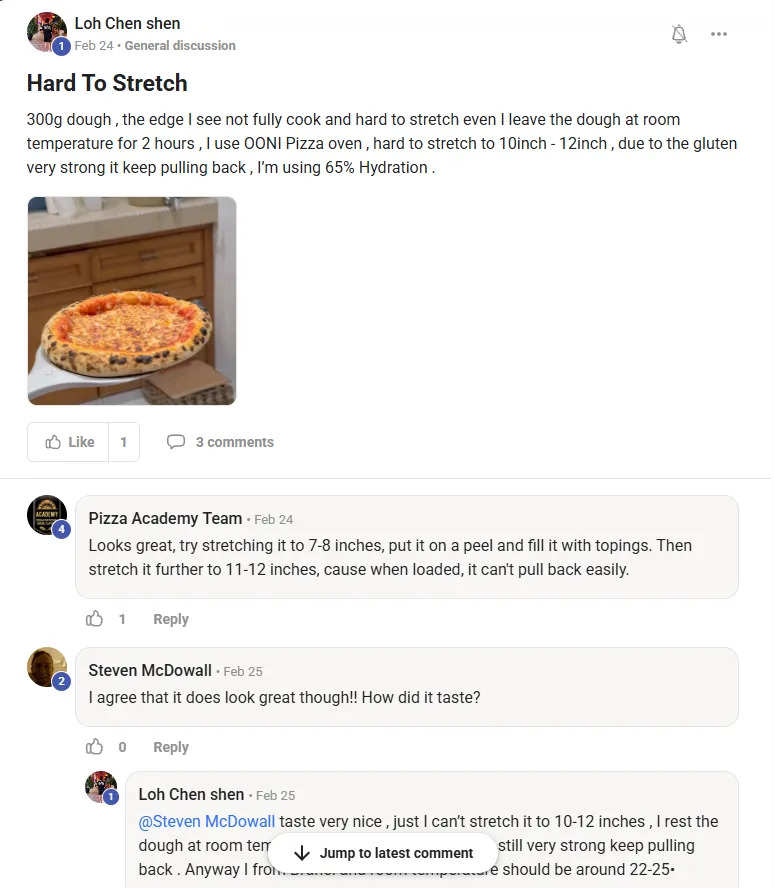
5,000+ Students - Countless Happy Families, Friends and Customers!
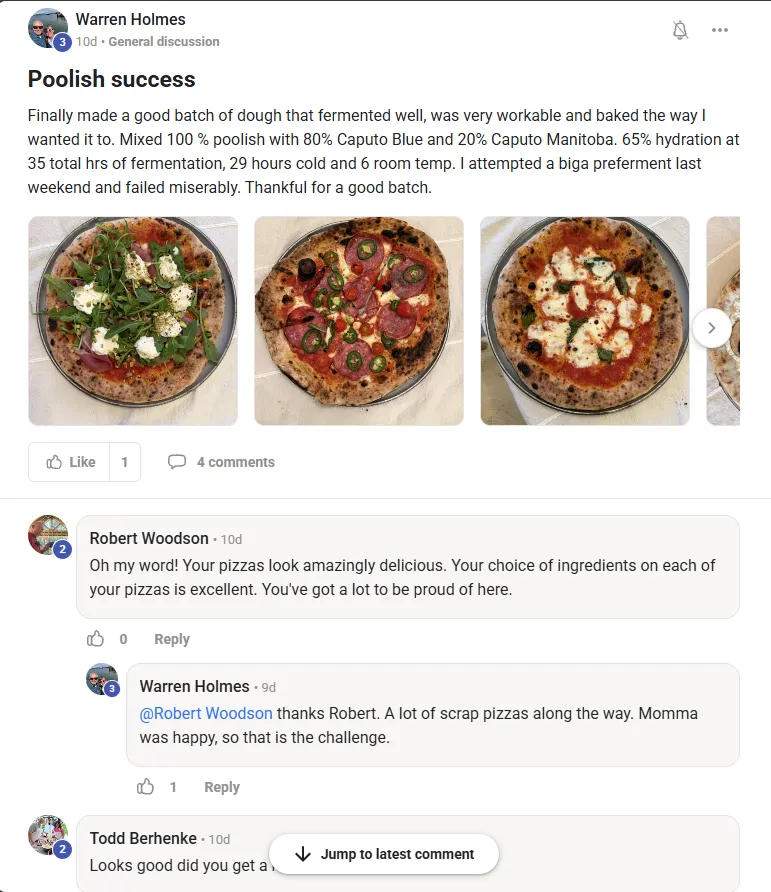
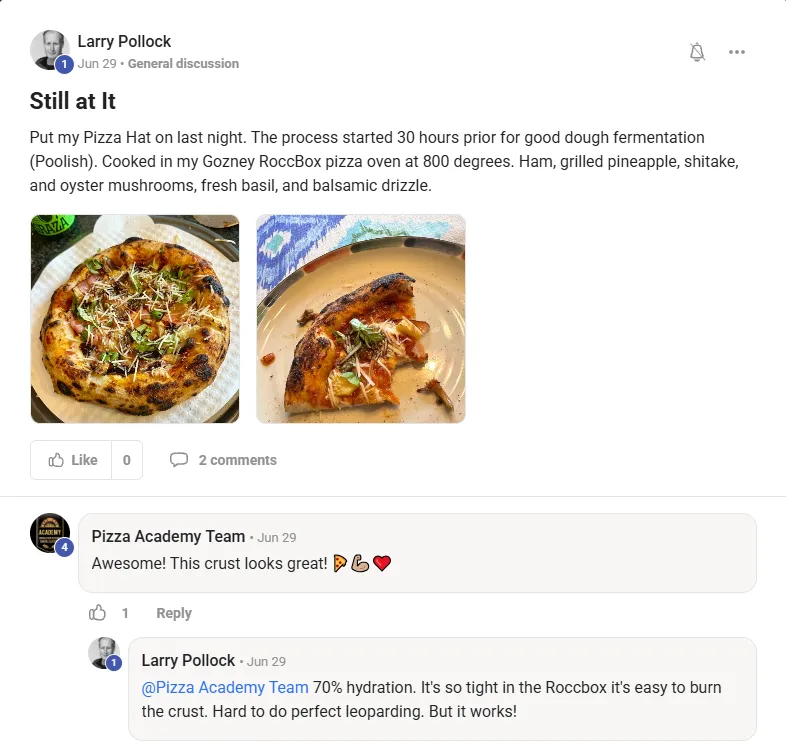
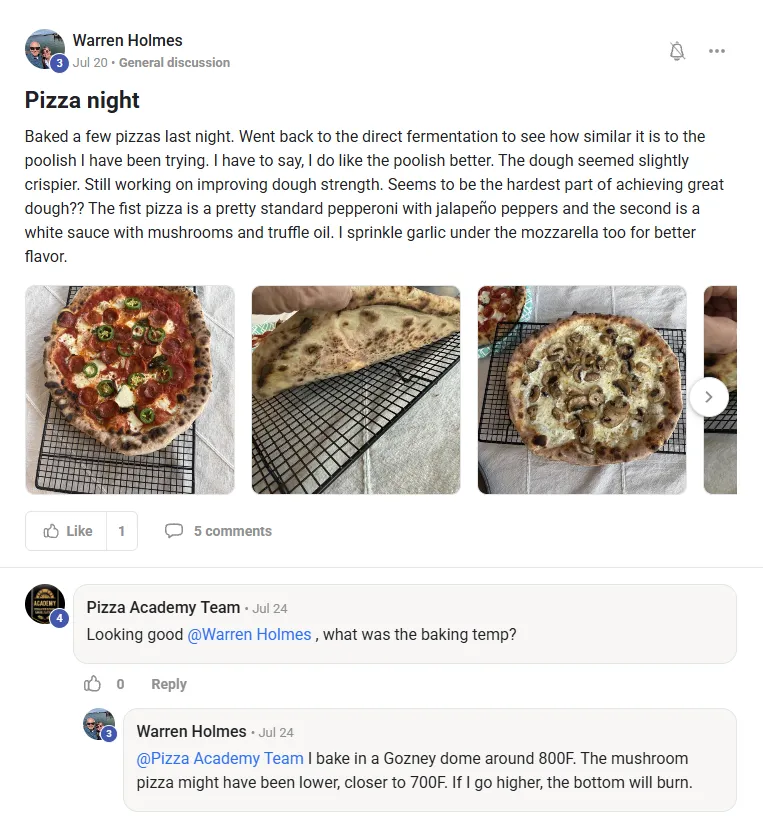
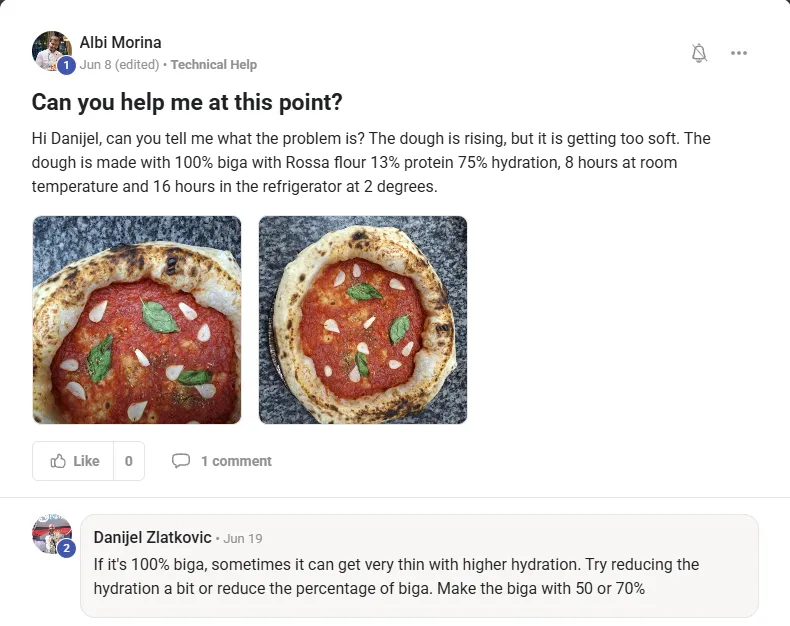
Hundreds of students posting pizzas every day, asking questions and sharing experiences.
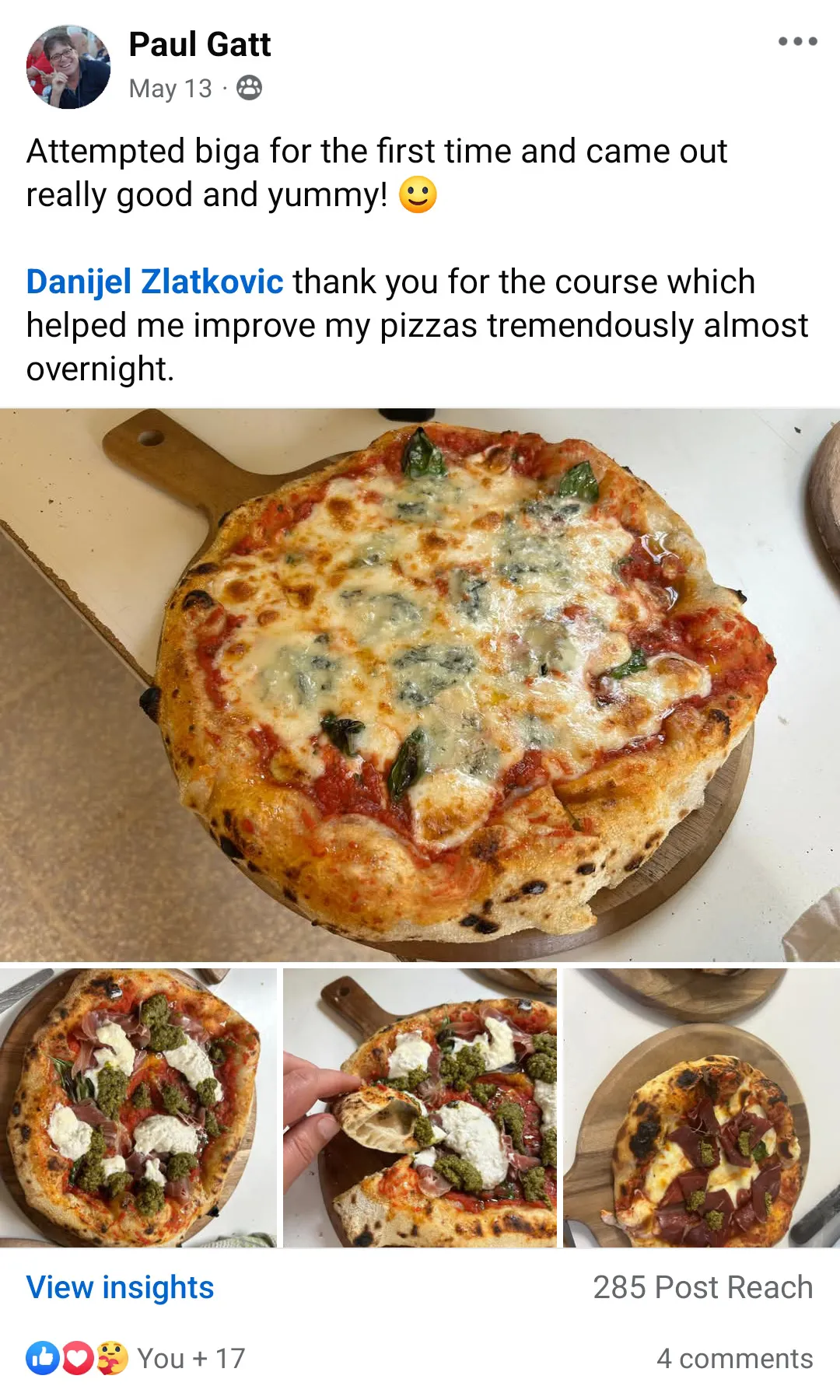
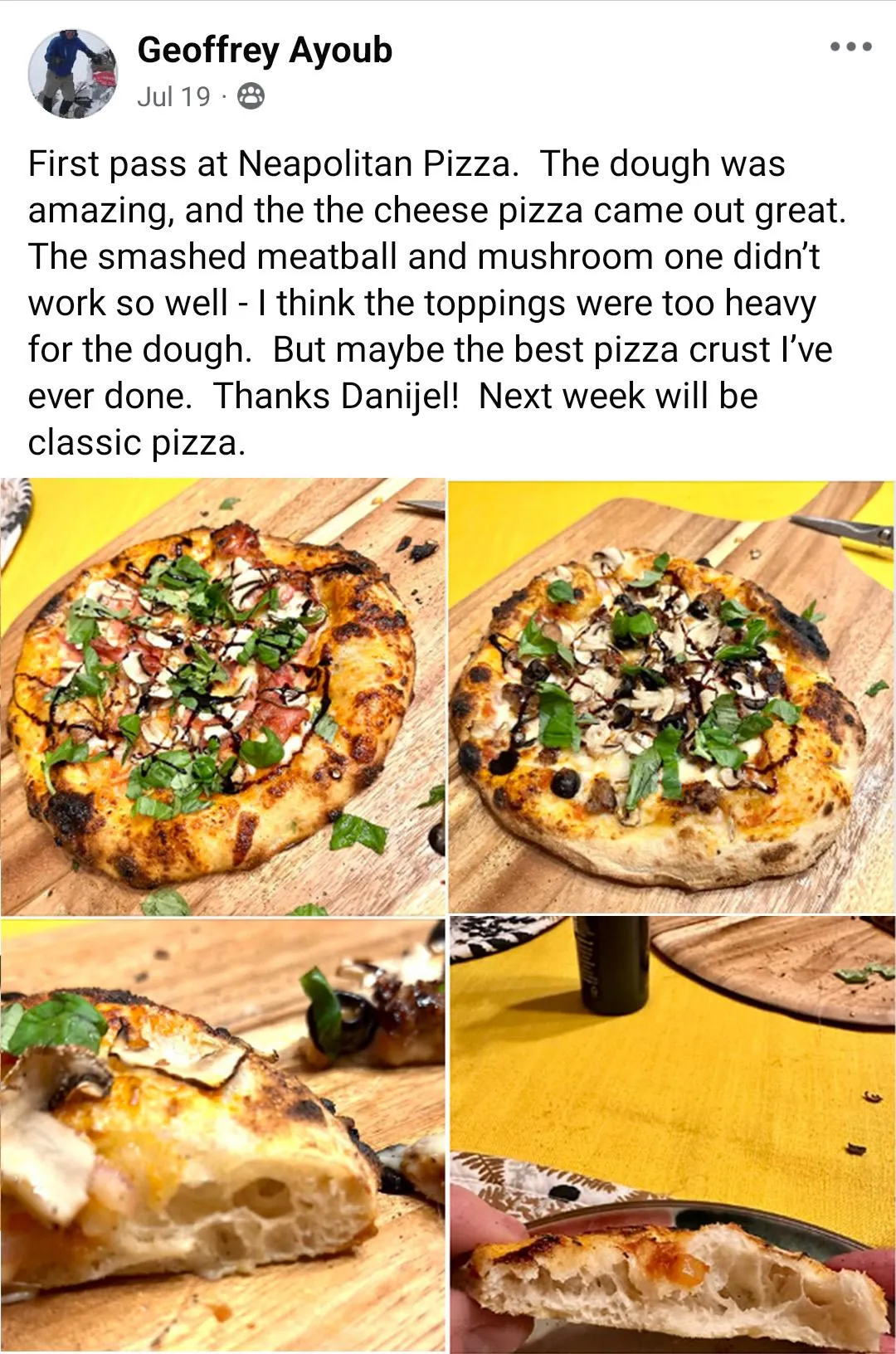
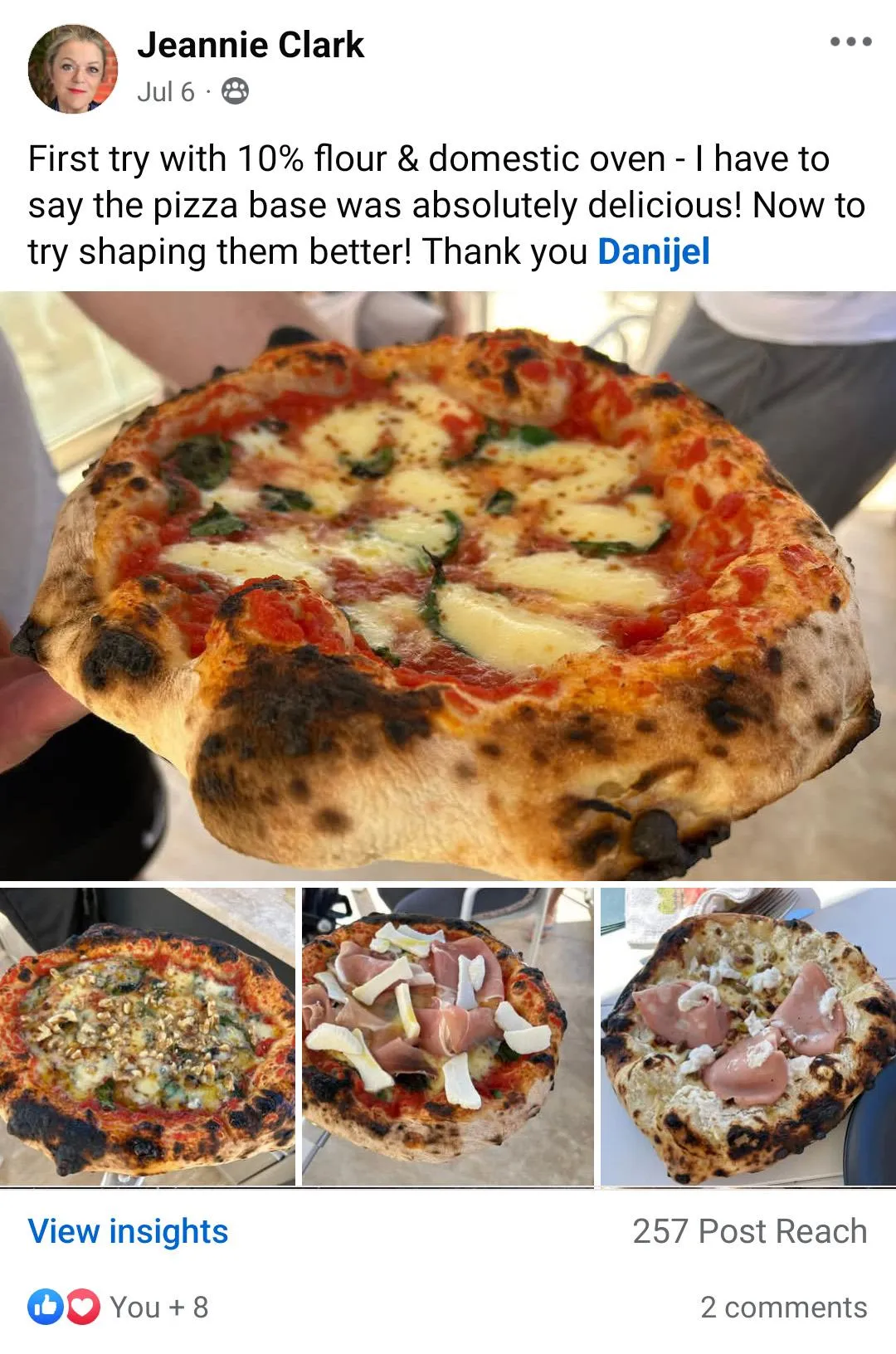
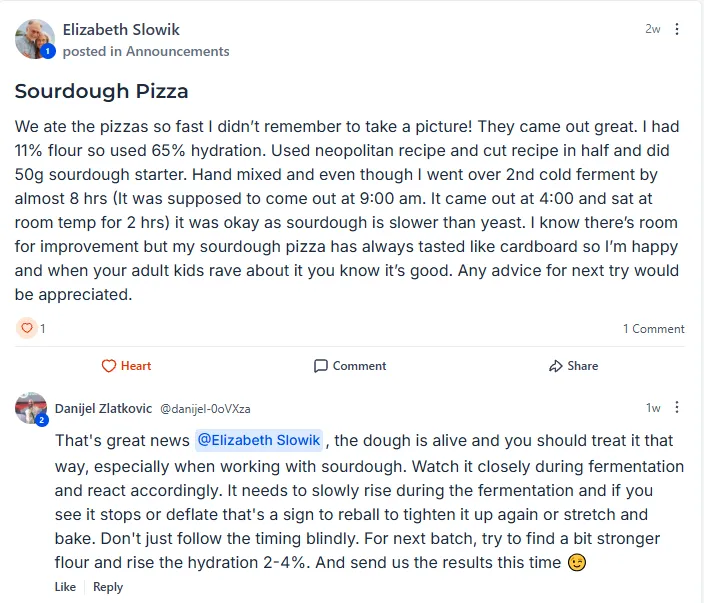
WHAT will you learn...
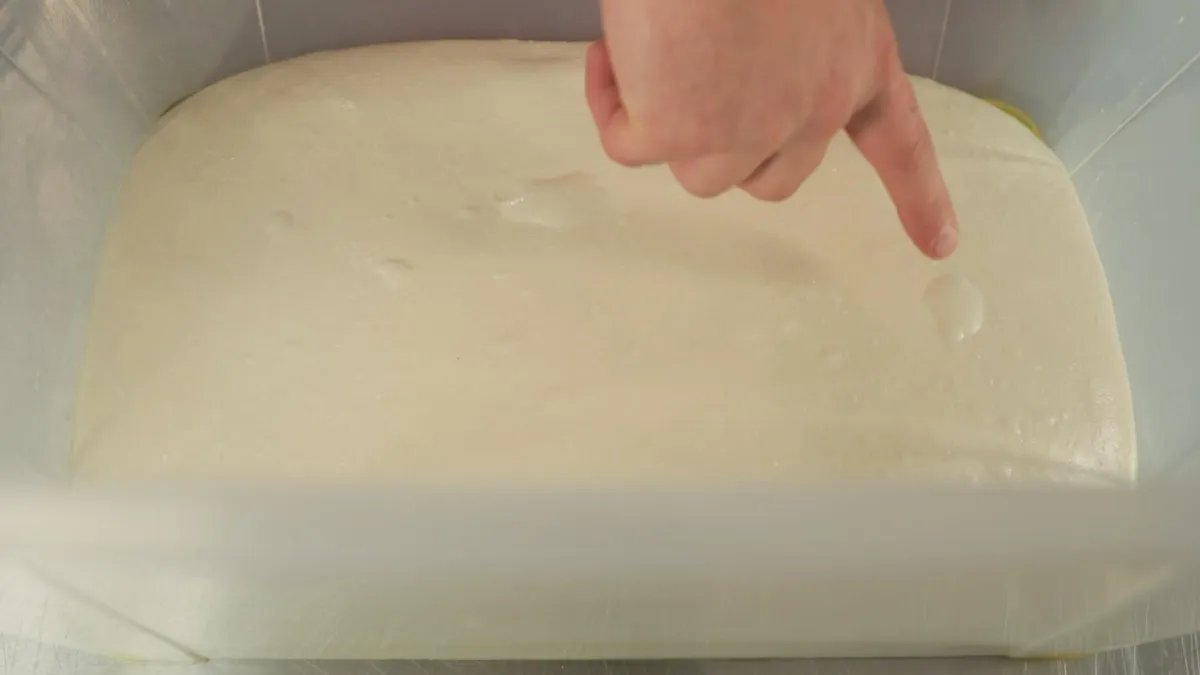
Flour & Fermentation
Pick the right flour, mix it correctly, and master fermentation (dough that works every time). Everything starts with flour you have. You'll learn to read the flour bag so you know exactly what kind of pizza dough you can make.
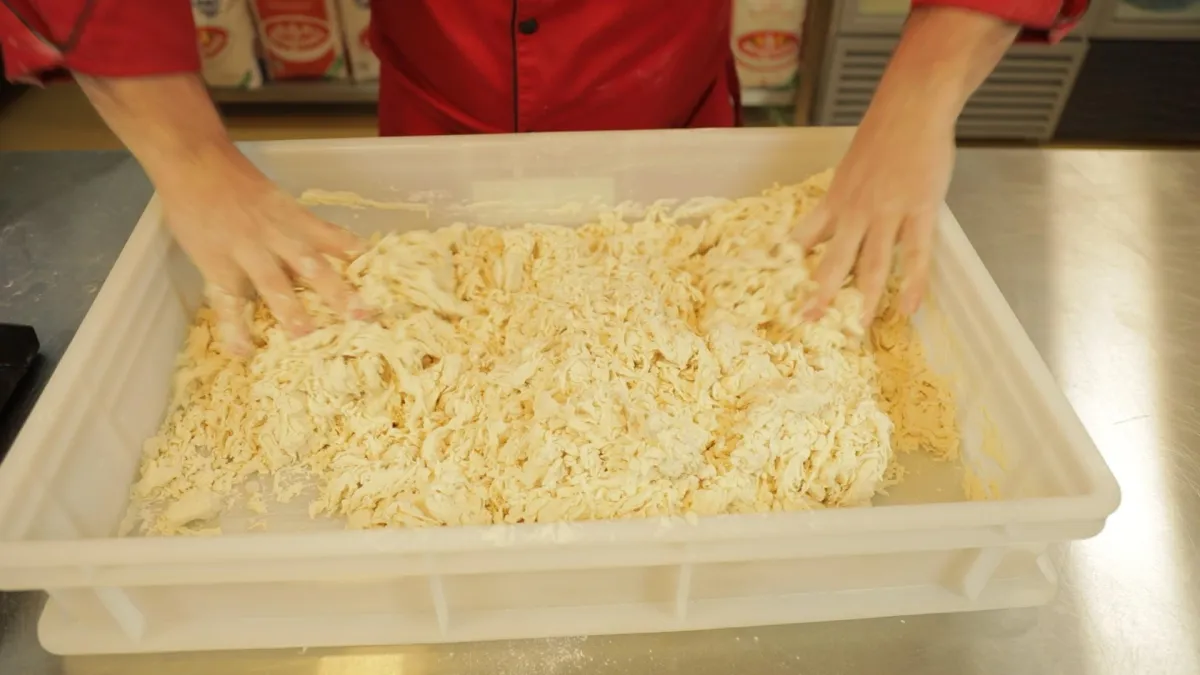
BIGA & Poolish
Italian secrets for indirect dough (flavorful, airy, and easier to digest).
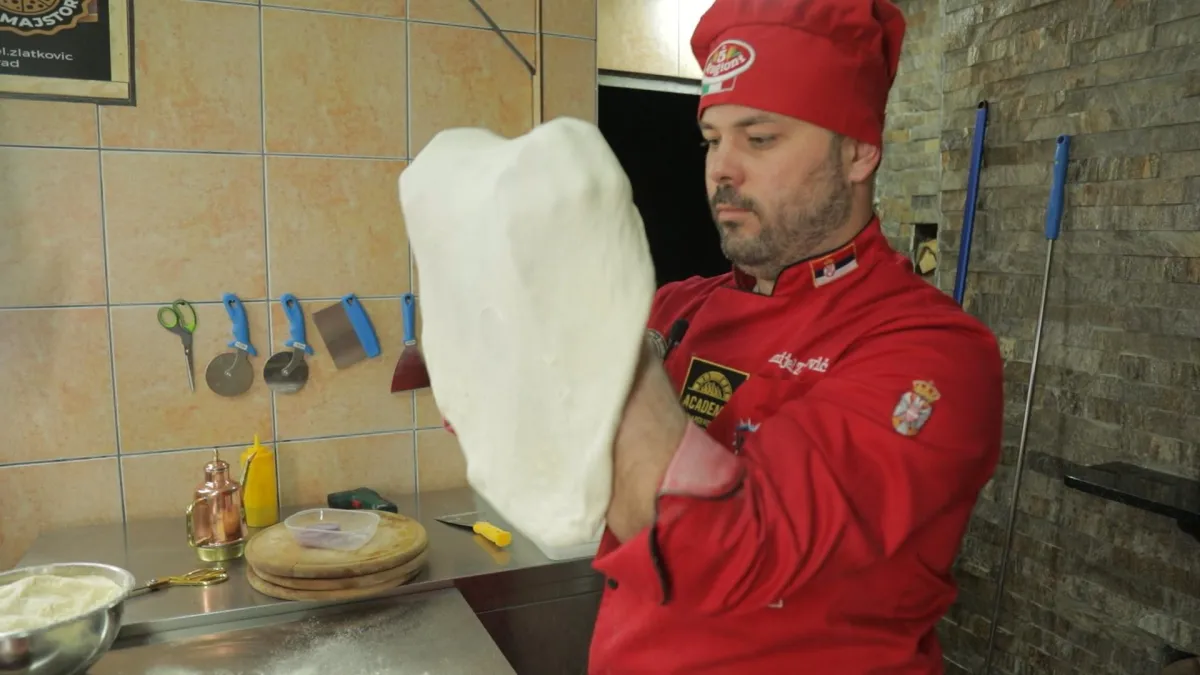
Airy Dough Techniques
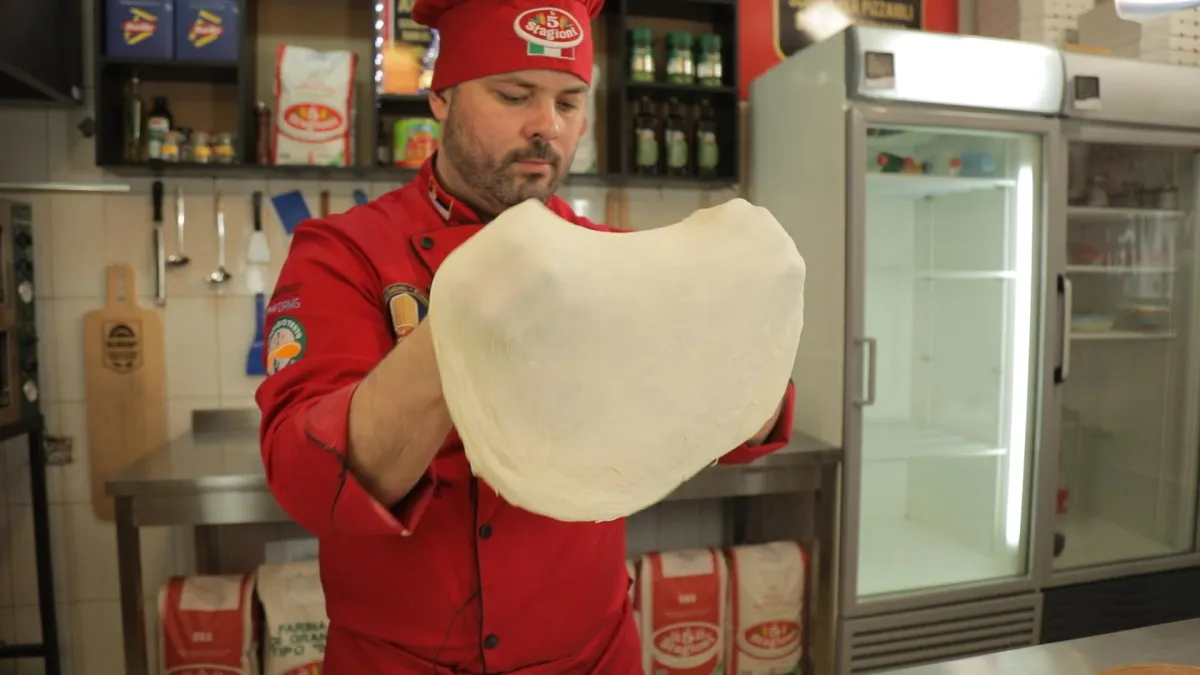
Stretch-and-fold kneading, proper balling, and shaping (light, pizzeria-quality crust at home).
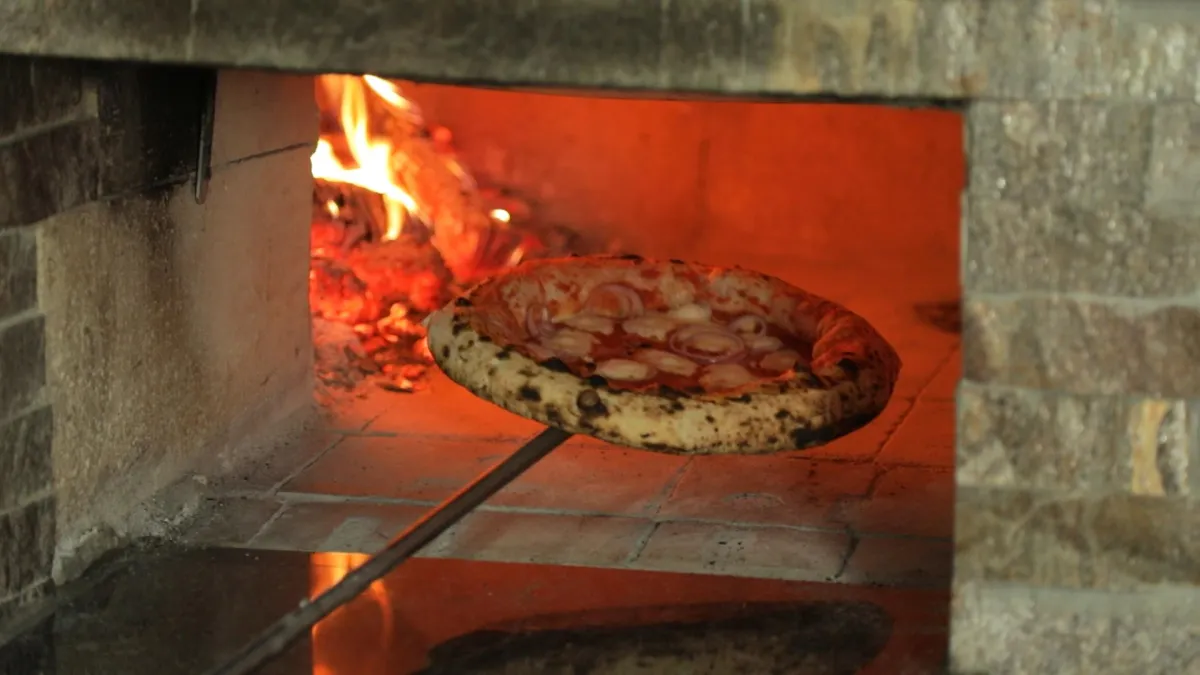
Baking Mastery
Electric, gas, and wood-fired ovens (crispy outside, soft inside, amazing aroma).
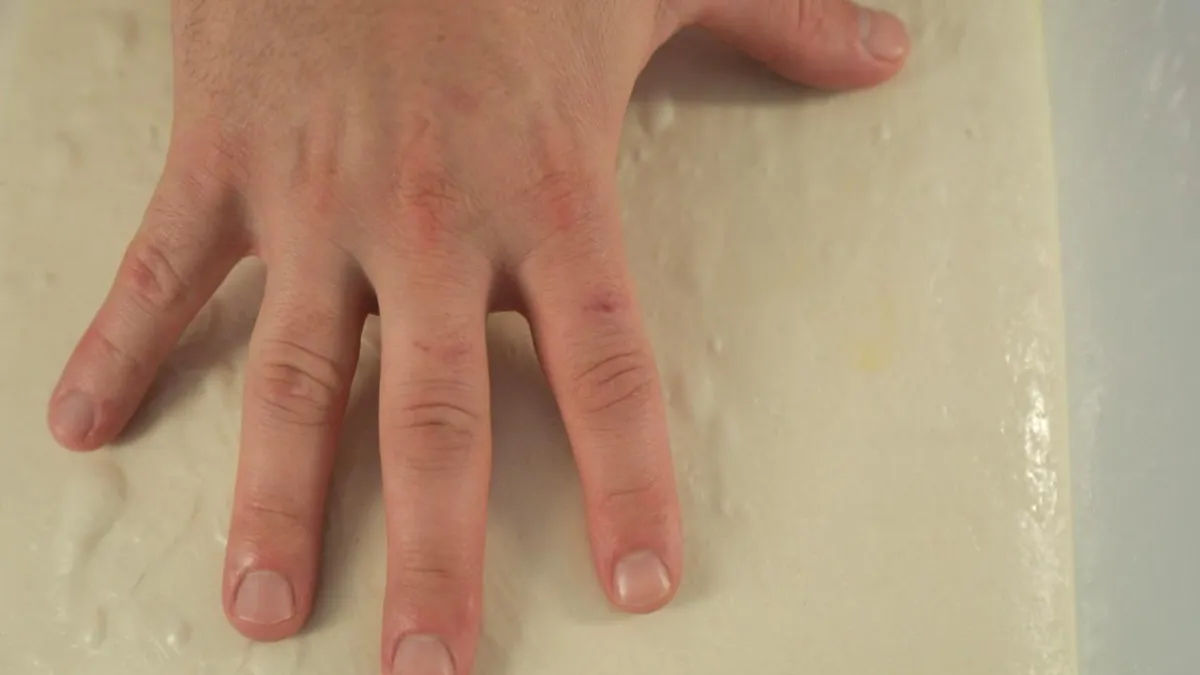
Full Control
Understand WHY things happen (fix mistakes fast and stay consistent).
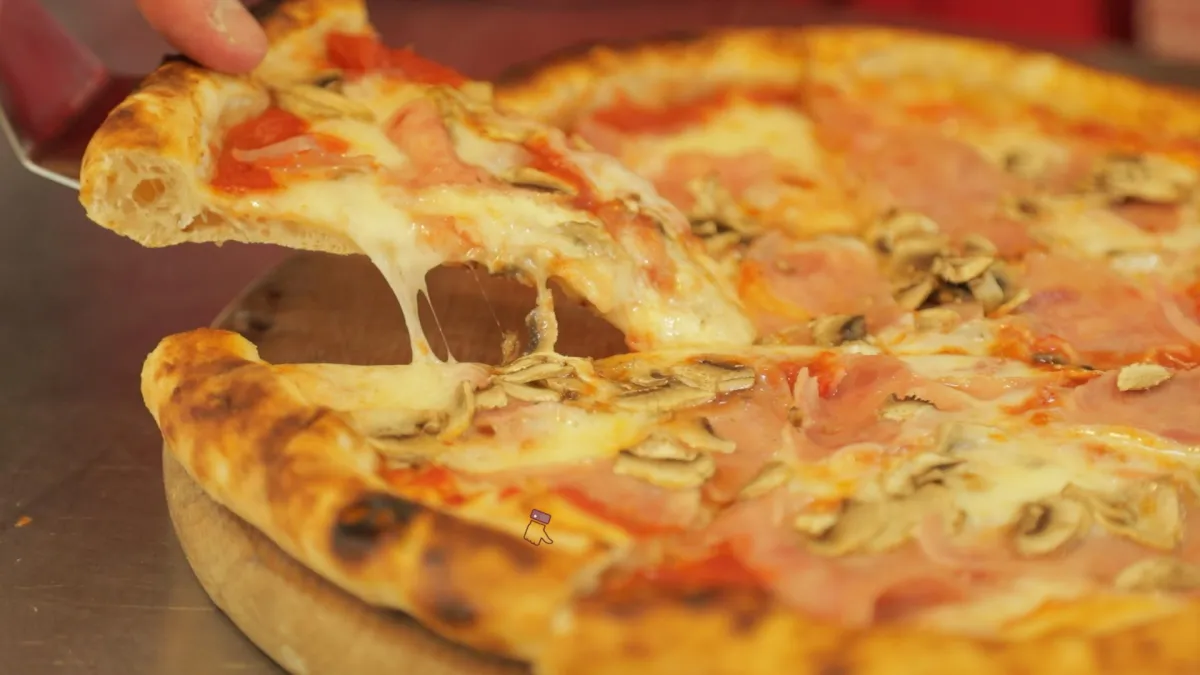
Experiment & Grow
Know where to test and tweak (develop your own signature style).
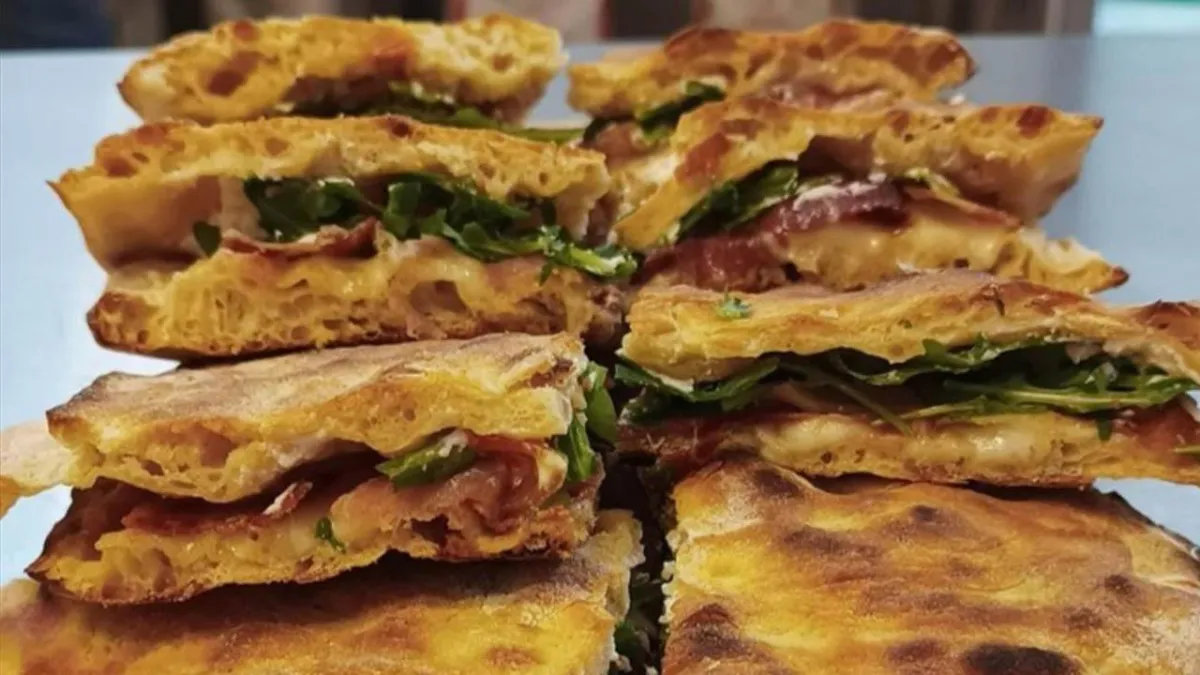
Beyond Pizza
Use leftover dough for bread, foccacia, sandwiches, bruschetta, fritters (nothing goes to waste).
HOW you will learn...
Through Easy-to-Follow Video Lessons
This course breaks the method down step by step, so you can gradually understand the full dough-making process from start to finish. You’ll quickly go from an uncertain beginner to a confident pizzaiolo who knows exactly what they’re doing.
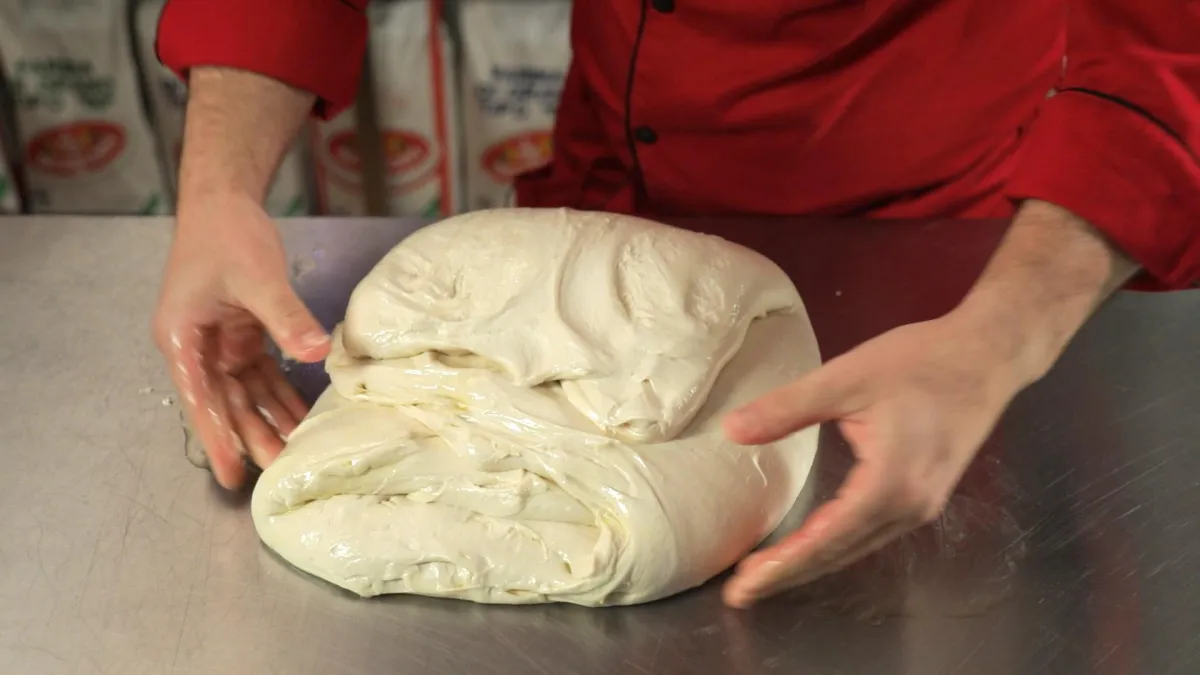
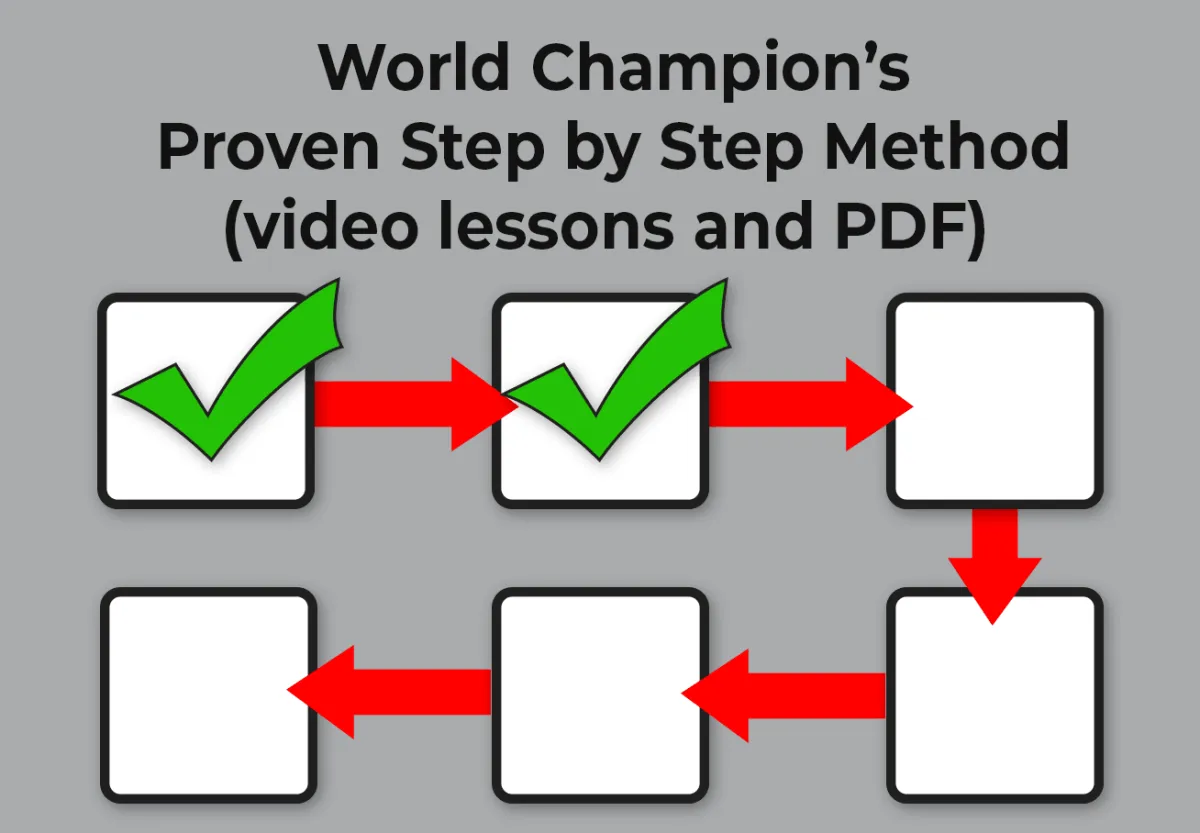
By Following Danijel's Unique Pizza-Making System - Metodo Vivo
Rather than memorizing recipes, you’ll learn why each preparation stage matters and how to make the dough work in your own environment. Each lesson comes with PDF “Methodology Steps” to help you focus only on what matters most. This structured approach gives you fast, repeatable results.
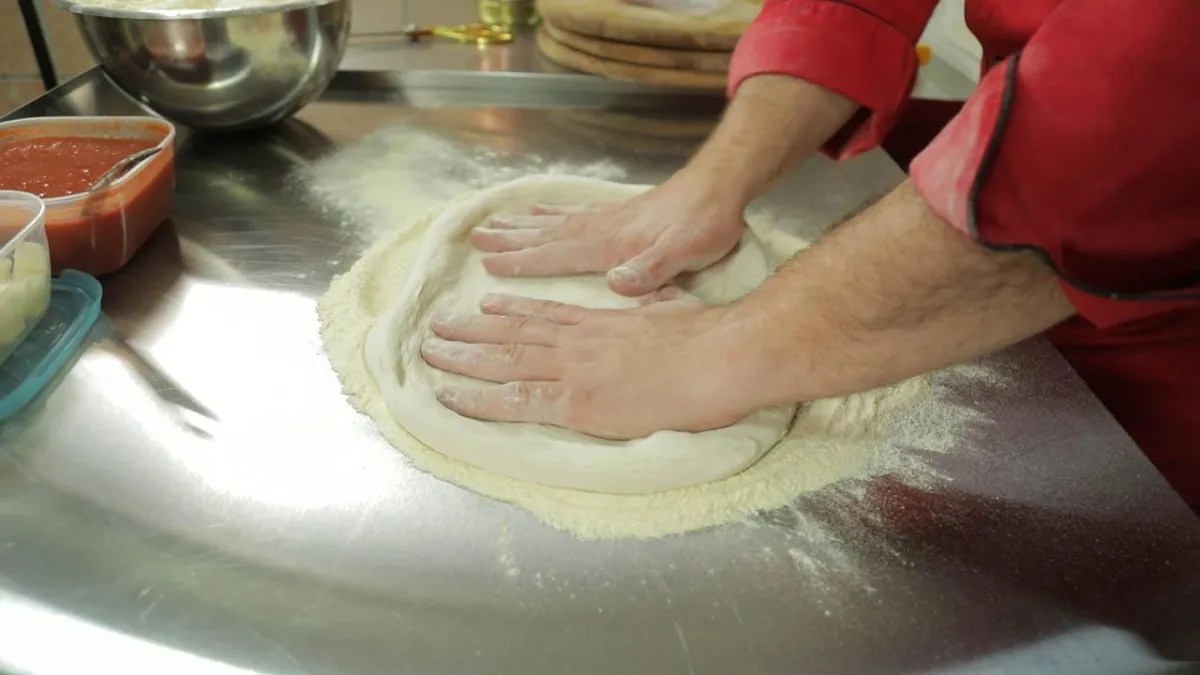
With Insights from a World Champion and International Pizza judge in a Private Community
Every student gets lifetime access to our private group, where you can ask anything pizza-related. Danijel, his colleagues, and over 1,500 members are there to support you, so you never feel stuck.
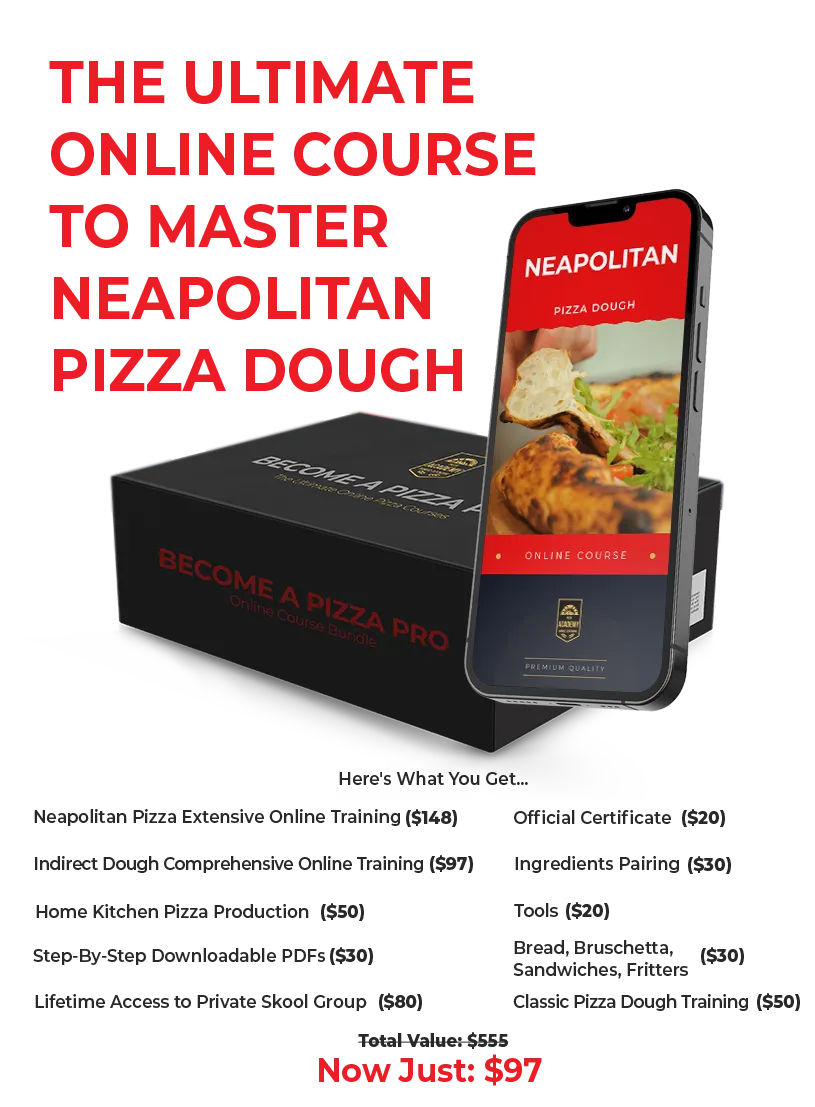
What's included in Become a Pizza Pro
Meet Dani - Your Instructor
2006 – He knew nothing about making pizza. No culinary school, no family pizzeria - nothing.
2006–2010 – Taught himself from scratch: testing, failing, adjusting, testing again.
2010–2016 – Worked as a pizzaiolo in local pizzerias, refining his craft every single day.
2017–2020 – Traveled across Italy studying techniques, ovens, flours and ingredients directly at the source - entirely on his own, with no formal schooling and no mentors.
2022 – Became World Champion: won the Campionato del Mondo Expo Cook in Palermo as an individual competitor, with three different dough categories.
Distilled everything he learned into his own system: Metodo Vivo - The Living Dough Method, built on the chemical and physical principles of world-class dough making.
Founded the Pizzaiolo Training Academy, where he has trained 200+ professional pizzaiolos in live classes using Metodo Vivo.
2024 – Invited to judge the two biggest and most prestigious pizza competitions in the world — the Campionato Mondiale della Pizza in Parma and the Coppa del Mondo di Pizza in Rome.
2026 – Scuola Italiana Pizzaioli - Italy's most renowned pizza school - reached out to him. Today he is their official Master Instructor, certified to train pizzaiolos in their name.
Today – More than 5,000 students worldwide have learned through his online courses.
He spent 20 years learning what no one would teach him. With Metodo Vivo, you get it in days.
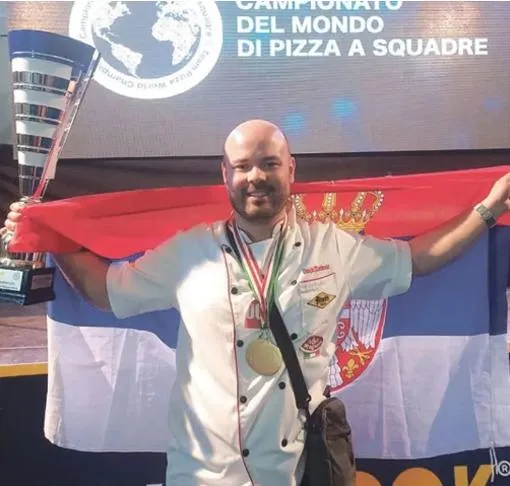
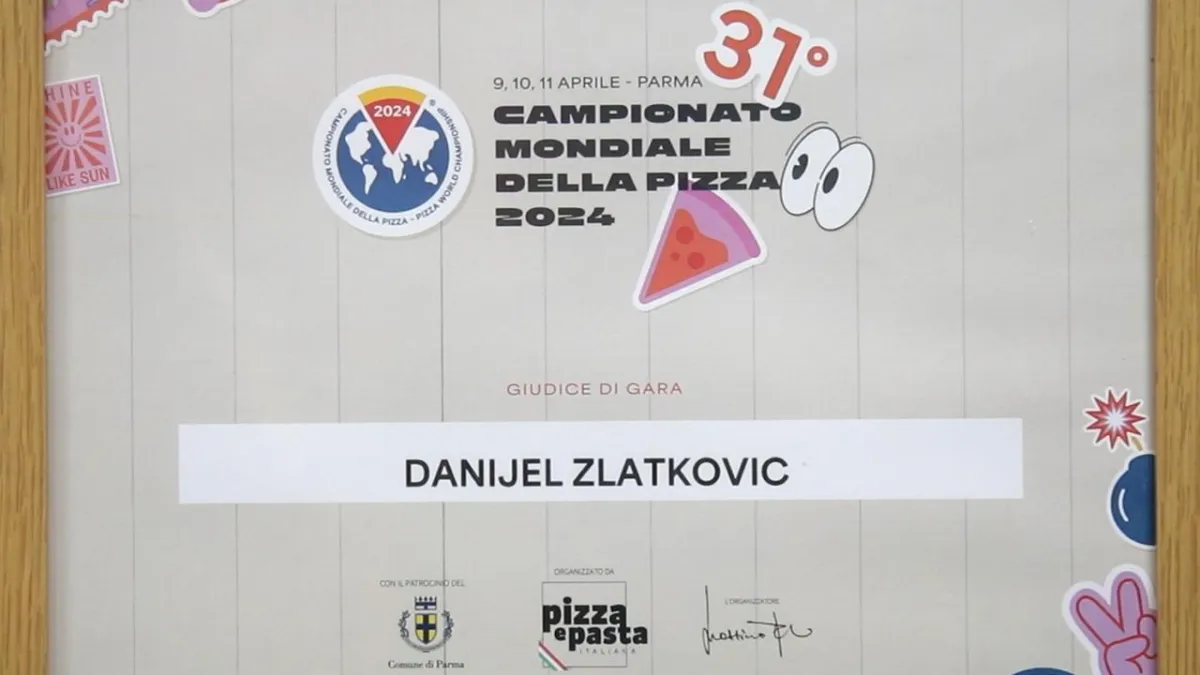
Pizza World Championship, Parma 2024
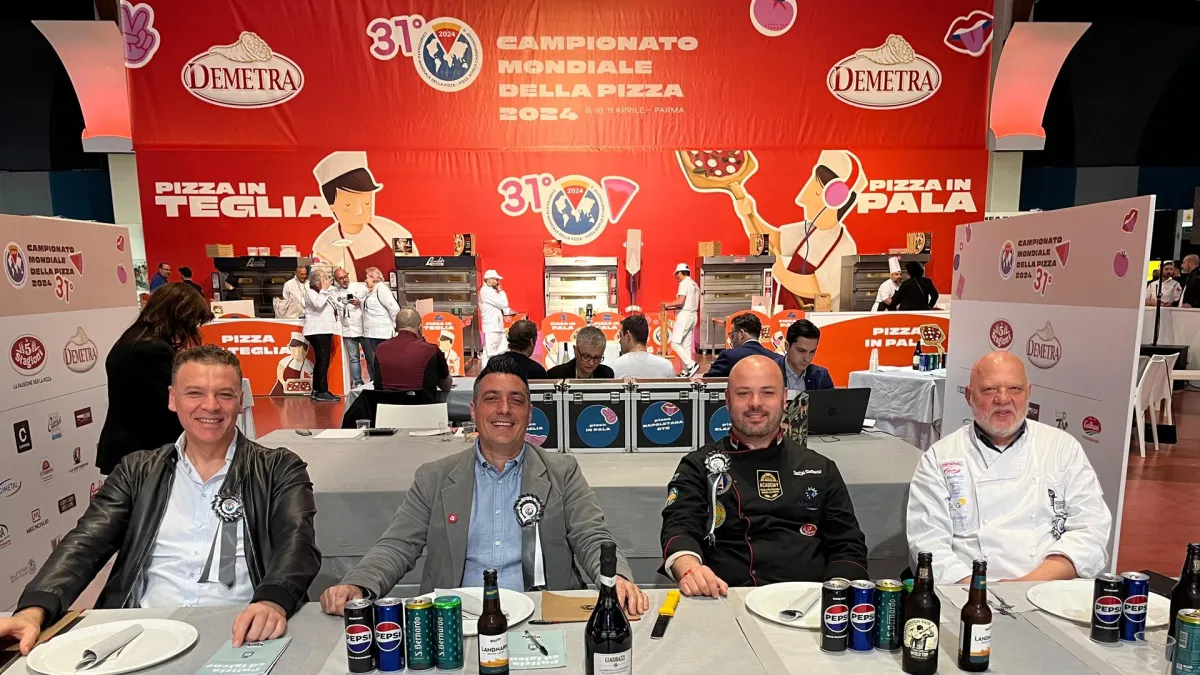
Judging the Pizza World Championship in Parma
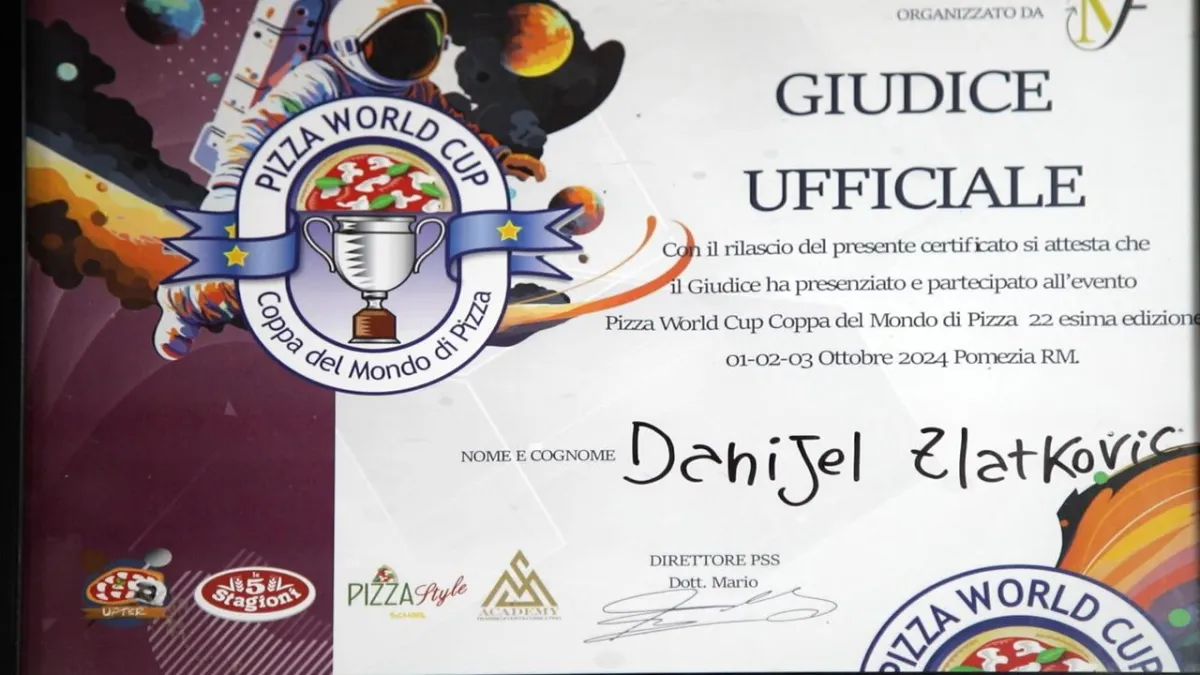
Pizza World Cup, Rome 2024
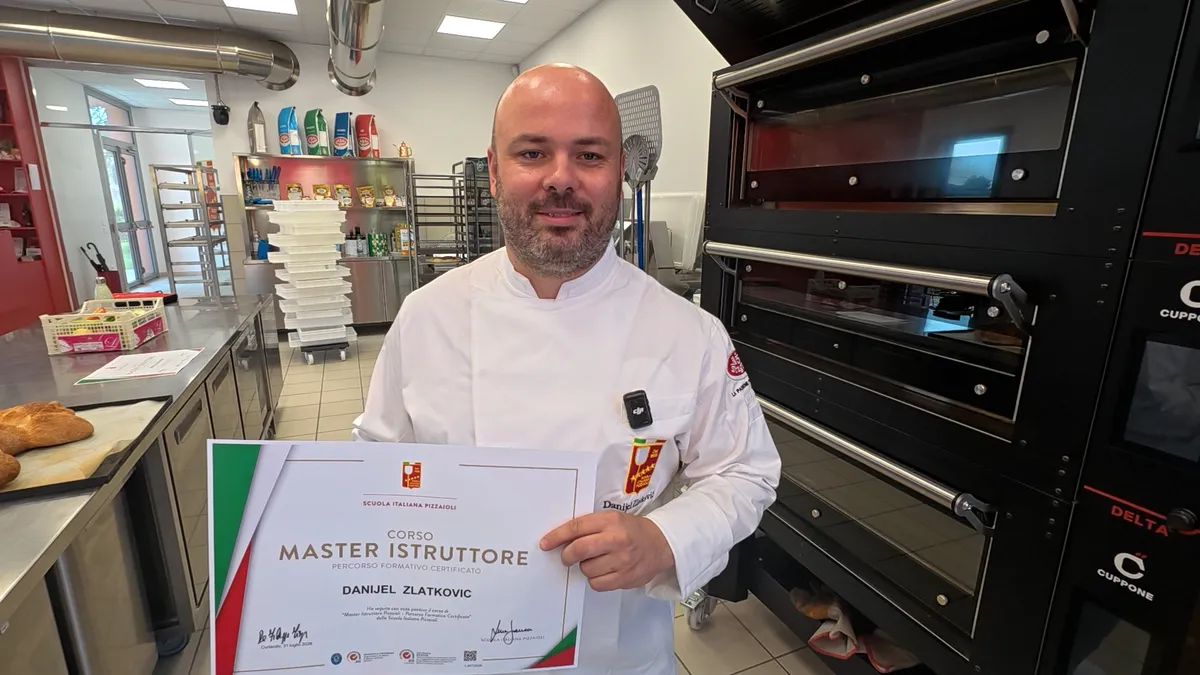
Master Instructor - Scuola Italiana Pizzaioli, Padua 2026
Who is this course for?
Professionals and pizza enthusiasts who want to take their skills to the next level.
Anyone tired of trial and error and looking for a proven system that actually works.
Everyone who wants a solid foundation in understanding the science behind dough production.
Who This Course Is Perfect For...
🍕 Pizza Lovers – get better fast.
👨👩👧 Parents & Grandparents – bring joy to your family.
👨🍳 Home Chefs & Pizzaiolos – sharpen your craft.
🏪 Pizza Entrepreneurs – open or grow your pizzeria.
💼 Job Seekers – gain real expertise quickly.
🔬 Experimenters – play and discover new dough techniques.
🎉 Event Planners – add pizza to your offer.
🚚 Food Truck Owners – expand your menu with pizza.
Who this course isn't for??
❌ People who’d rather keep guessing instead of following a proven system.
❌ People who want results without commitment or effort.
Frequently asked questions
What if the course isn't for me? Is there a refund?
Yes. You have a full 30-day money-back guarantee. Go through the lessons, try the method in your own kitchen - and if you're not satisfied for any reason, just send us one email and you'll get a full refund. You risk nothing; all the risk is on us.
What level of knowledge is this course for?
This course is designed for anyone who wants to learn how to make great pizza — no prior experience required.
How long do I have access to the course and when does the course start?
You get lifetime access to the course. You can start right away and go at your own pace.
Can't I learn all this on Youtube?
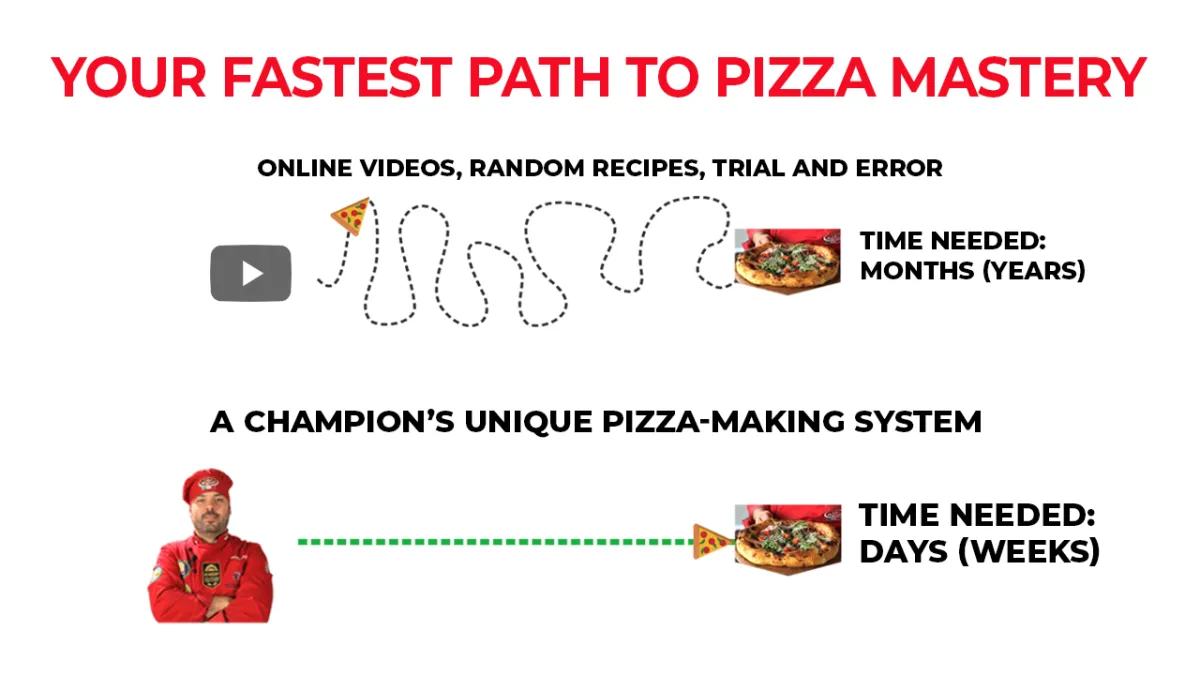
Yes, you can find a lot online — but with no guarantees. You’ll waste months (or years) learning from trial and error, and you’ll likely miss key knowledge since most masters don’t share their real trade secrets publicly. With this course, you’ll learn the essentials in days or weeks, not years.
Do I need professional equipment to get started?
No. You can start right at home with what you already have. Once you build confidence and routine, you can gradually invest in tools like a quality mixer or oven to speed up your work and improve results.
How can you learn food preparation online?
The exact same way my live students learn. I show you the same techniques step by step. The key is your willingness to practice — and if you do, you’ll succeed.